
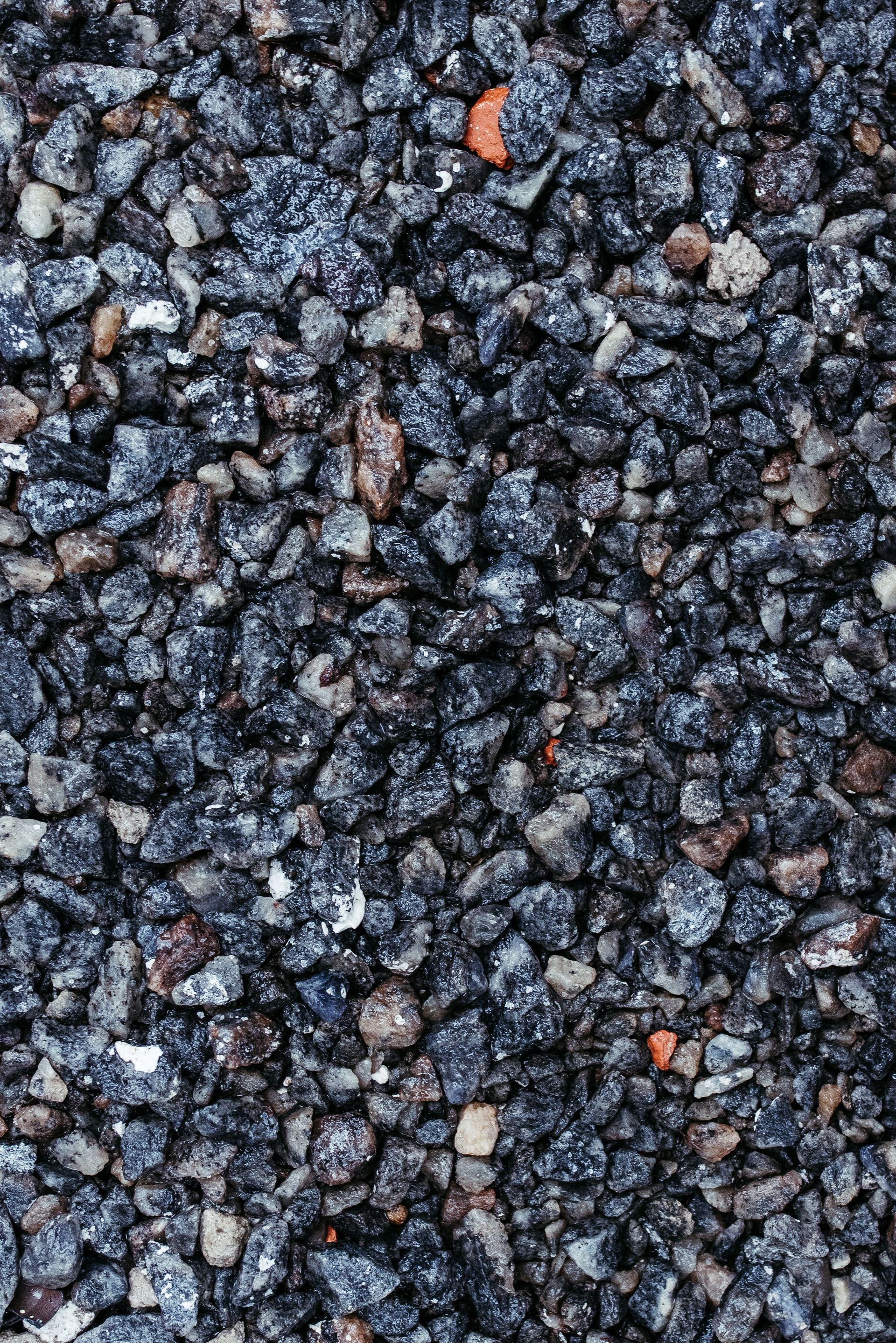
Driveways That Travel Smoothly Again
Gravel Driveway Grading in Lake City for uneven surfaces, ruts, and displaced gravel
Uneven areas, deep ruts, and gravel pushed to the edges create rough travel surfaces and make driveways harder to maintain over time. Cox Land Services performs gravel driveway grading that reshapes the surface, redistributes existing material, and restores a smoother profile for everyday vehicle use. Property owners in Lake City typically request grading when the driveway becomes uncomfortable to drive, develops low spots that collect water, or shows visible wear patterns from repeated tire contact.
Grading involves pulling displaced gravel back toward the center, leveling high and low areas, and reestablishing the driveway's crown so the surface sheds water more effectively. The process improves drivability and reduces the immediate roughness, though it does not replace lost material or install subsurface drainage features.
Request an evaluation of your existing gravel driveway to assess surface condition and grading requirements.
Why Grading Works for Existing Driveways
Grading equipment blades the driveway surface to redistribute gravel that has migrated toward edges or collected in piles, then reshapes the profile to create a smoother travel path. The work addresses visible ruts, uneven transitions, and areas where the surface has become too thin or too thick due to vehicle traffic and weather displacement.
After grading is complete, the driveway surface feels more uniform under tires, vehicles no longer bounce through deep ruts, and the visual appearance shows a consistent profile from edge to edge. Loose gravel settles over the first few trips, but the improved shape remains stable as long as the base beneath holds firm.
Grading does not add new gravel or repair base failures beneath the surface. If the driveway has lost significant material depth or shows signs of subsurface erosion, additional work may be required to restore proper thickness and stability.
Answers to Frequent Service Questions
Driveway grading questions typically focus on frequency, material needs, and what the service includes.
How often does a gravel driveway need grading?
Most driveways benefit from grading every one to three years, depending on traffic volume, weather exposure, and how quickly ruts and uneven areas develop across the surface.
Does grading fix drainage problems along the driveway?
Grading improves surface water movement by restoring the driveway's crown, but it does not install culverts, ditches, or subsurface drainage systems that address water flowing from surrounding land.
What does grading do to the edges of the driveway?
Equipment pulls gravel back from the edges toward the center and redefines the driveway width, though it does not add edging materials or construct permanent borders.
Can grading be done if the driveway is wet?
Light surface moisture usually does not prevent grading, but saturated conditions in Lake City after extended rain can cause equipment to push gravel into soft subgrade rather than redistribute it cleanly.
What happens if the driveway has very little gravel left?
Grading redistributes existing material, so if the surface is too thin or large areas show exposed dirt, adding new gravel becomes necessary before grading can restore a functional profile.
Cox Land Services provides gravel driveway grading that addresses surface unevenness and improves daily travel conditions. Contact us to discuss your driveway's current shape, material depth, and grading timeline.