
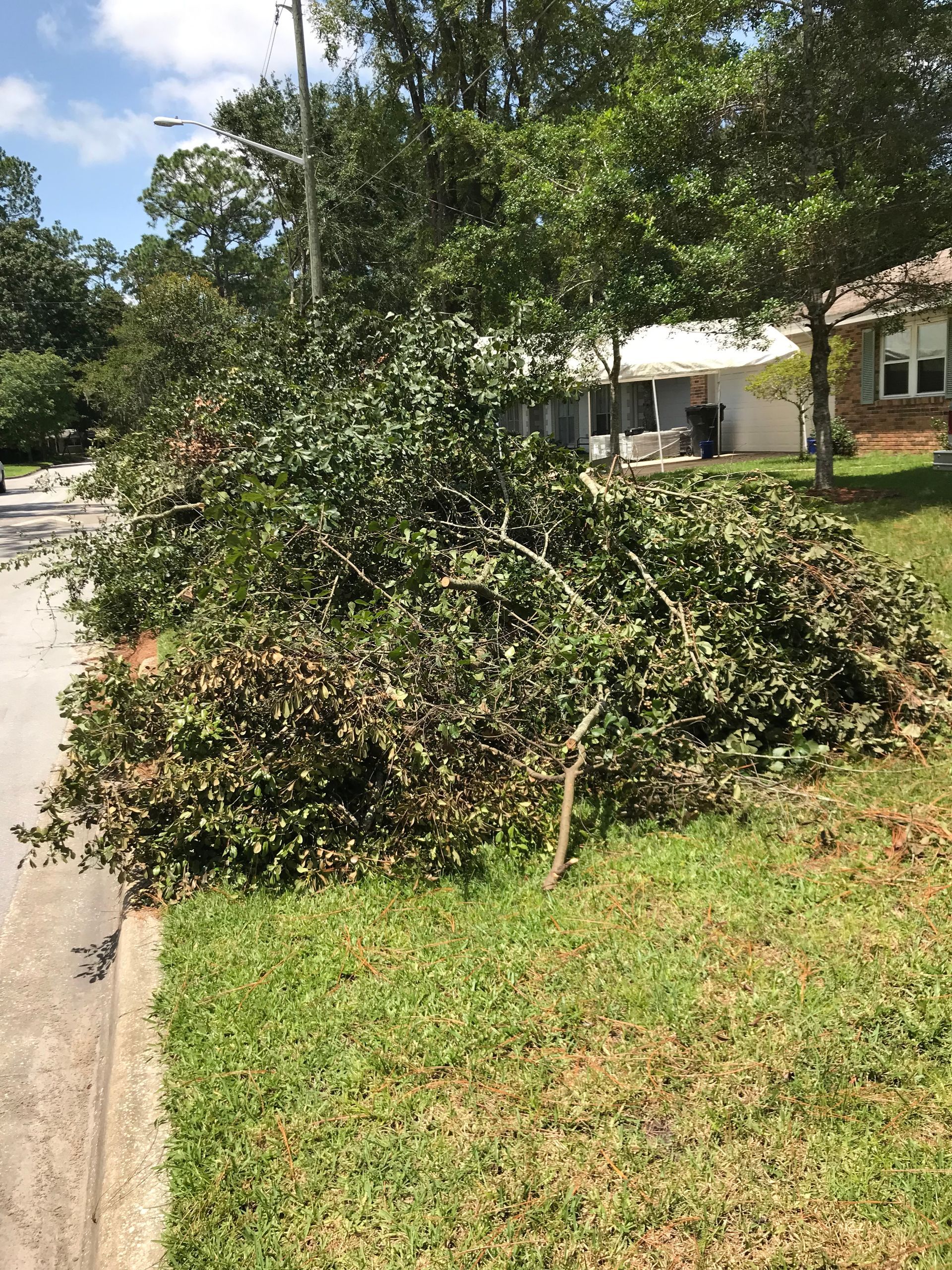
Properties Cleared After Severe Weather
Storm Debris Cleanup in Lake City for fallen limbs, scattered vegetation, and natural debris
Heavy rain, high winds, and storm systems leave properties covered with fallen branches, scattered brush, and vegetation that blocks access routes and usable yard areas. Storm debris cleanup removes this material from residential and rural properties, restoring access to driveways, outbuildings, and cleared land without requiring immediate emergency response or hazardous tree removal capabilities. Cox Land Services addresses organized cleanup work after weather events have passed and property owners need their land functional again.
The service involves gathering fallen limbs, cutting scattered brush into manageable sections, and clearing pathways so vehicles and equipment can move across the property. Cleanup focuses on debris that has already fallen rather than removing damaged trees still standing or addressing utility line hazards.
Contact us to discuss current site conditions, debris volume, and cleanup priorities following recent storm activity.
How Storm Cleanup Addresses Property Debris
Cleanup begins by identifying which debris interferes with property access, daily use, or planned work, then organizing removal to prioritize pathways, driveways, and areas near structures. Equipment and hand work collect fallen material, cut larger limbs into sections that can be moved or processed, and clear ground surfaces so the property becomes navigable again.
After cleanup is complete, driveways and access routes are passable, yard areas no longer require constant maneuvering around fallen branches, and the visual clutter that follows storm damage is gone. The property returns to a condition where regular maintenance and outdoor use can resume without navigating scattered debris fields.
Storm cleanup does not include removing standing trees that are damaged but still upright, addressing utility line hazards, or performing structural tree work that requires certified arborists. If standing trees pose immediate risk or involve power lines, those situations require specialized response beyond debris removal.
Questions Before Starting Your Project
Storm cleanup questions typically address scope, timing, and what happens to collected debris.
What happens to debris after it is collected?
Material is typically hauled off-site or organized into piles for later removal, depending on volume and your preference for how the property is left after cleanup.
How soon after a storm can cleanup begin?
Work can start once weather conditions allow safe equipment operation and property access, though saturated ground in Lake City may delay heavy equipment use to avoid creating ruts or additional damage.
Does storm cleanup include cutting up large trunks or removing tree stumps?
Cleanup focuses on clearing fallen branches and scattered vegetation, not processing large trunk sections or grinding stumps, which require different equipment and fall outside typical debris removal scope.
Can cleanup be done if debris is mixed with other materials like fencing or roofing?
Natural vegetation and fallen limbs are addressed during cleanup, but separating storm debris from structural materials or non-organic waste may require additional coordination or disposal arrangements.
What size property can be cleared during storm debris cleanup?
Cleanup scope depends on debris volume and distribution rather than property size alone, with residential lots and smaller rural parcels typically completed within a day or two of focused work.
Cox Land Services handles storm debris cleanup that restores access and clears usable portions of your property after severe weather. Reach us at (803) 394-2438 to schedule an assessment of debris volume and cleanup requirements.