Paths Opened Through Overgrown Acreage
Trail and Access Clearing in Lake City for wooded and overgrown properties requiring improved movement
Dense brush, thick vegetation, and years of unchecked growth make large properties difficult to walk, maintain, or assess without constant effort to push through obstacles. Trail and access clearing cuts through this overgrowth to establish defined paths that allow easier movement across acreage, access to previously difficult areas, and visibility into wooded sections that have become impassable. Properties in Lake City often require clearing when owners want to reclaim trails, reach boundary lines, or open routes for equipment and maintenance activity.
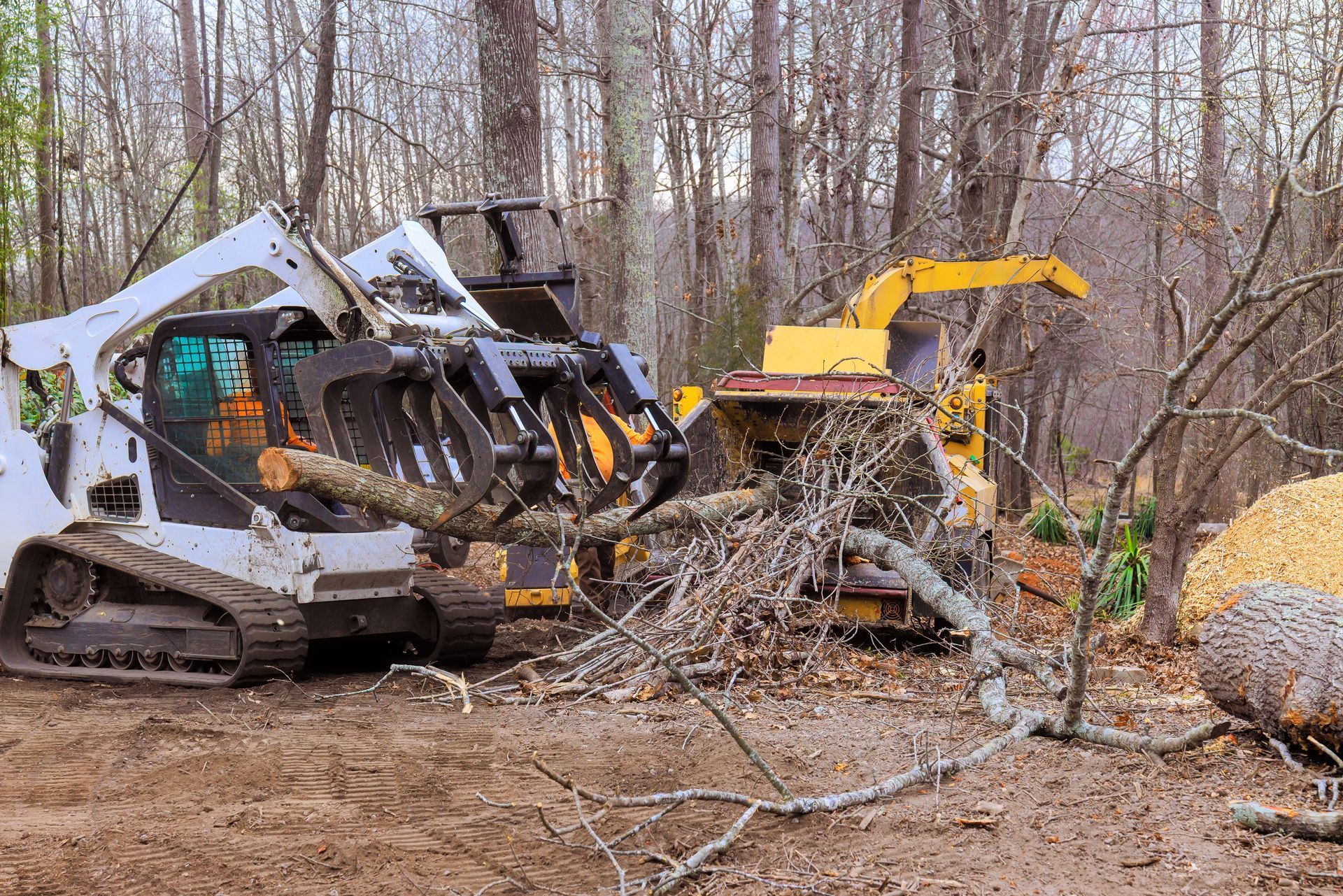
Clearing involves cutting back brush, saplings, and light growth along a planned route, then removing cut material so the path remains open for foot traffic, utility vehicles, or equipment passage. The work creates functional access rather than constructing permanent roads or installing surfacing materials.
Arrange a property visit to discuss route preferences, desired width, and current vegetation density.
What Proper Trail Clearing Requires
The clearing process begins by walking the intended route to identify obstacles, grade changes, and vegetation density, then using forestry mulching or brush-cutting equipment to remove growth within the planned width. Material is mulched in place or cut and moved aside, leaving a defined corridor that remains visible and accessible after the work is complete.
Once cleared, you'll notice unobstructed sightlines along the trail, the ability to walk or drive the route without encountering thick brush, and easier access to property features like fence lines, water sources, or outbuildings that were previously difficult to reach. Vegetation will regrow over time unless the trail is maintained, but the initial clearing establishes a usable path that significantly reduces effort compared to navigating uncut growth.
Trail clearing does not include grading the ground surface, removing large trees, or installing gravel or other permanent trail materials. If the terrain includes steep slopes, wet areas, or obstacles that require earth moving, additional site work may be needed to make the route fully functional.
Answers to Frequent Service Questions
Questions about trail clearing typically focus on width, maintenance, and how the work affects surrounding vegetation.
How wide should a trail be cleared for equipment access?
Width depends on the equipment that will use the route, with utility vehicle trails typically cleared to six to eight feet and larger equipment requiring twelve feet or more to allow safe passage without catching on remaining growth.
Does clearing a trail damage surrounding trees and vegetation?
Clearing focuses on brush and saplings within the planned path while leaving larger trees and vegetation outside the corridor undisturbed, though some edge trimming occurs to prevent overhang from blocking the route.
How often does a cleared trail need maintenance to stay open?
Regrowth rates vary with vegetation type and season, but trails in Lake City often require maintenance every one to two years to prevent brush from reclaiming the path and reducing visibility.
Can trail clearing be done in wet or wooded areas?
Light vegetation clearing can proceed in most conditions, though saturated soil may limit heavy equipment use and require timing the work during drier periods to avoid ground damage.
What happens if the planned trail route encounters large trees or stumps?
Large trees are typically left in place and the route adjusted around them, while stumps can be removed separately if they interfere with the planned path and equipment access allows grinding or extraction.
Cox Land Services provides trail and access clearing that opens paths through brush and overgrowth for easier property movement and maintenance. Call (803) 394-2438 to review your planned route, width requirements, and site conditions.